
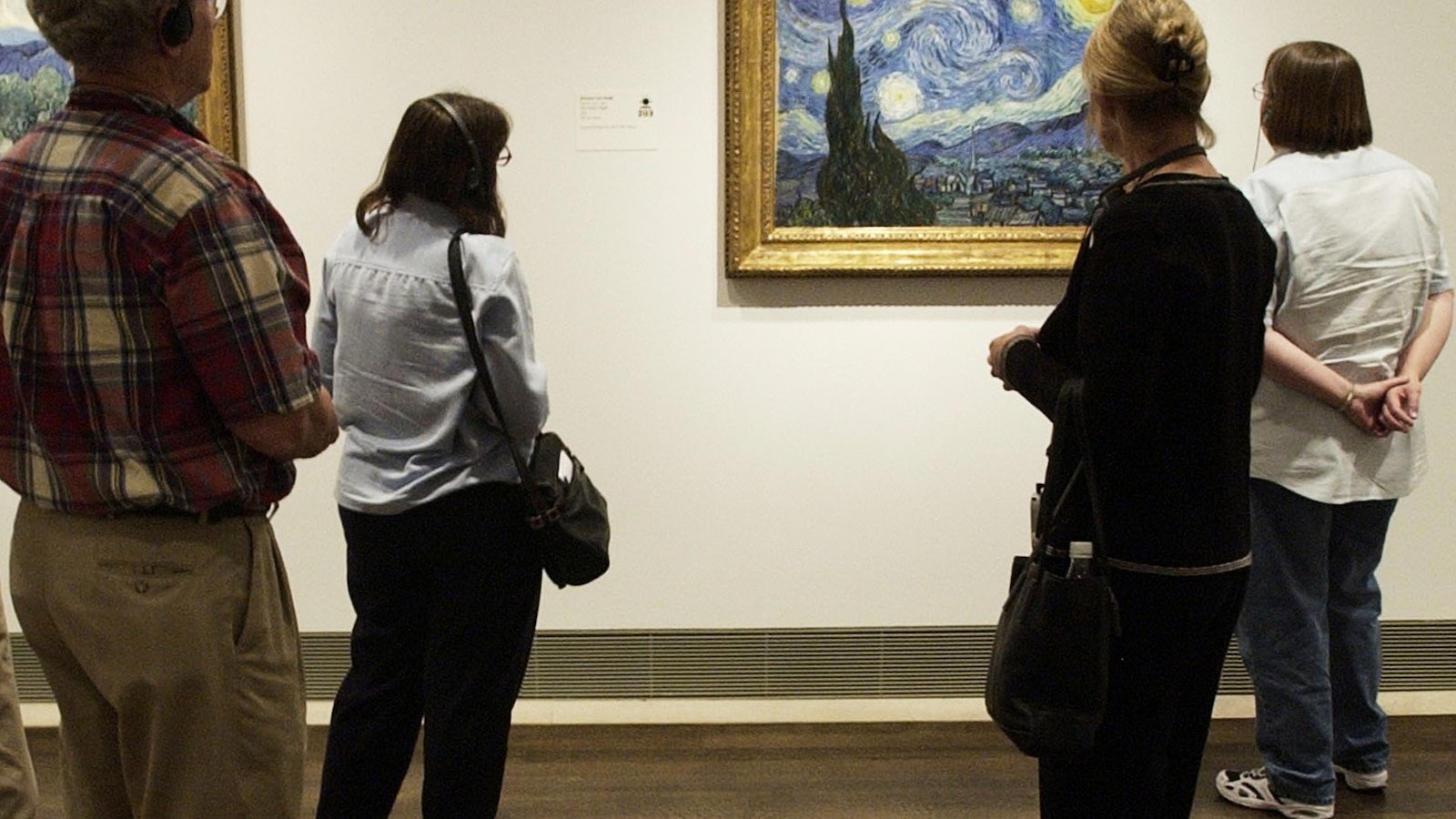
CAPE CANAVERAL, Fla. , A team of South Korean scientists using forensic astronomy has pinpointed a specific night sky over France that they say inspired Vincent van Gogh’s masterpiece *The Starry Night*. Their analysis pushes the accepted date of the painting back by roughly a month, suggesting July 22, 1889 rather than the long‑held June 1889 timeline.
The study, led by Elijah Jeong‑hyun Kim, CEO of a Seoul telescope manufacturer and a doctoral candidate at Kyung Hee University, appears in *Scientific Reports*. Kim and his colleagues compared historical sky conditions with the painting’s depiction of a crescent moon, Venus, the Hyades star cluster in Taurus, and swirling stars. “The sky that is most similar to the painting occurred around July 22, 1889,” Kim said in an email, noting that the few days before and after could also have contributed. “No two skies are the same. Something always changes. I believe Vincent noticed those changes and put them into the painting,” he added. “I am confident that July 22 is the better date. I will bet on this date.”
Kim first visited Saint‑Remy‑de‑Provence in mid‑June 2019, returning around July 22 to observe the predawn sky. The July night, he found, featured brilliant stars and a moon shape that closely matches the crescent in van Gogh’s work, while June skies lacked those details. Weather modeling indicates the July night would have been clear enough for the artist to see the Hyades cluster rising in the east alongside Venus.
The researchers also revisited van Gogh’s correspondence with his brother Theo. Some letters mention cicadas, insects that are active in hotter July weather, suggesting the painter was still at the asylum later in the month. Based on this evidence, Kim’s team argues that van Gogh’s seizure,often dated to June,likely occurred later in July.
To strengthen their methodology, the scientists tested their celestial‑matching techniques on night skies depicted in other known paintings. “It’s a careful and genuinely interdisciplinary study,” said José Luis Aragón of the National Autonomous University of Mexico, a physicist who has examined *The Starry Night* but did not take part in the new research. Aragón cautioned that the July date remains a hypothesis, not a definitive answer, but praised the broader implication: “What I find most convincing is the larger message: the painting is not pure fantasy. Van Gogh watched the real sky very closely.”
Despite years of research, Kim has never seen the actual canvas at New York’s Museum of Modern Art. “Now that the paper is out, I really have to go and see *The Starry Night* in person, don’t I?” he said. The study has reignited debate among art historians and astronomers, highlighting how scientific tools can illuminate the real‑world origins of iconic works.