


Production Design Approach
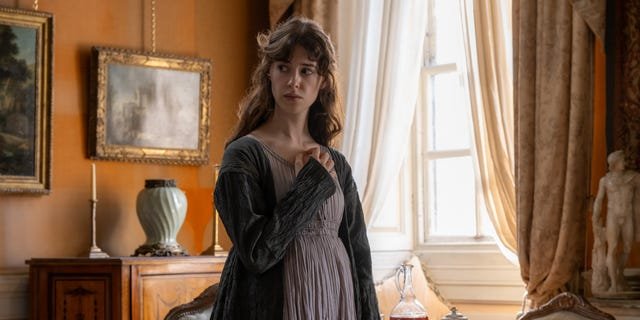
The latest adaptation of Jane Austen’s novel stars Daisy Edgar‑Jones and is directed by Georgia Oakley. Francesca Di Mottola, the production designer known for her work on Hulu’s The Great, created a visual style that is both subtle and intricate. She treated the two houses that the Dashwood sisters occupy as central elements of the story, allowing the architecture and interiors to reflect the characters’ emotional journeys.
Choosing a Real Location
To achieve authenticity, the production team avoided sound stages and searched for a genuine historic property. The Kingston‑Russell House in Dorset was chosen to represent Norlund Park, the Dashwood family’s ancestral home. The location provided original features that could be filmed without major reconstruction, including a dining room with a 17th‑century chinoiserie mural. The space accommodated a dinner scene with twelve people, though it required careful camera placement to capture the room’s grandeur.
Collaboration with an Art Historian
Di Mottola partnered with Celia de la Hey, a curator from Spencer House, who served as set decorator. Together they sourced period‑appropriate furnishings and decorative objects from antique dealers and well‑stocked prop houses across England. The team also searched online marketplaces for unique pieces, and one of Di Mottola’s favorite finds was an original drawing book from 1780 that belonged to a woman. The prop was studied by Edgar‑Jones as she prepared for her role, and it inspired the character’s own sketches in the film.
Setting the Historical Context
The filmmakers placed the story in the late 1790s, the period when Austen likely wrote the novel, rather than at its publication in 1811. This choice anchored the fashion, interiors, and architecture in the Georgian era, avoiding the more ornate styles of the early Regency period. Di Mottola aimed for spaces that felt lived‑in, filled with evidence of years of family life, play, and hospitality, which would make the Dashwood women’s departure from Norlund Park more poignant.
Aging and Re‑upholstering Furniture
To achieve a realistic sense of age, the production team re‑upholstered and artificially aged original Georgian sofas and armchairs. A specialist applied distressing techniques, and Di Mottola herself used a metal comb to wear down fabrics right up to the start of filming. Curtains were sun‑bleached and frayed to suggest years of use, contributing to the narrative depth of each room.
The Nursery and Handmade Props
One of Di Mottola’s favorite sets is the nursery at Norlund Park, which contains dozens of handmade toys. The team constructed a dollhouse replica of the property, complete with tiny, hand‑distressed dolls and furnishings. In the story, Margaret Dashwood carries these miniature relics to the family’s new home, Barton Cottage, emphasizing the loss of the familiar. The graphics team also created paper sculptures and painted pebbles that appear in the cottage, helping to show the passage of time as the space transforms from abandoned to welcoming.
About the Author
Lauren Wicks is a freelance writer and editor who focuses on lifestyle and luxury topics, with an emphasis on interior design and travel. She began her career as a digital editorial fellow at Cooking Light and later served as a digital editor for EatingWell and VERANDA before becoming an independent writer in 2022. Her work has appeared in national lifestyle publications and several United Kingdom‑based travel and interior design brands. She resides in Birmingham, Alabama, with her husband and son, and enjoys cooking, traveling, and spending time outdoors with her family.