


Every day, humanity captures approximately 5 billion photographs, and tools like Midjourney have democratized the creation of visually compelling images, allowing anyone with an account to generate striking visuals in moments. This unprecedented volume paired with unprecedented accessibility raises a fundamental question: what distinguishes a photograph that belongs to you from one that could just as easily have been produced by someone else?
Max Kent approaches this question by beginning with AI image generation itself. According to Kent, his personal connection to photography has traditionally reside in the act of creating the image,the deliberate process of making a picture,whereas AI-generated work focuses primarily on the final result rather than the journey. He asserts that for any creative person, conceiving an idea represents merely the starting point; the true challenge lies in developing the technical skill, life experience, and artistic vision necessary to translate that concept into a compelling frame.
Kent identifies a troubling pattern in digital prompt culture: many practitioners function as curators, assembling visual aesthetics by recombining elements pulled from platforms like Pinterest and Instagram. This approach often builds layers of imitation upon imitation, frequently tracing back to work originally created by photographers who developed their craft through traditional means. These “curators” may produce technically proficient images, but they lack the authentic perspective that comes from personal vision and experience.
The conversation then shifts toward photographic identity and personal expression. Kent emphasizes that identity in photography doesn’t require formal validation or professional status. He contrasts the fleeting impact of scrolling through social media feeds filled with architectural and urban imagery against the lasting impression of flipping through a carefully crafted photo book by an admired artist. In his experience, feed-based photography rarely achieves the same memorability as images that feel unmistakably personal,each frame carrying the distinctive fingerprint of its creator’s individual perspective.
He challenges the notion that one becomes a photographer only upon achieving commercial success or public recognition, pointing to numerous artists whose powerful bodies of work remained unrecognized for decades before finally receiving their due. A few years ago, Kent himself experienced a period of creative stagnation, going extended phases where he barely picked up his camera. He rediscovered his photographic path by studying the work of his influences while simultaneously examining his own archive, ultimately distilling his guiding principles into a handful of descriptive words that would inform his future practice.
This approach led to a tangible shift in his photographic habits. Instead of automatically documenting every landmark that presented itself during travel, he began to see familiar subjects as opportunities for deeper observation. Camera manufacturers have been addressing related challenges from the hardware perspective, with the Leica M11-P introducing Content Credentials in 2023,a technology rooted in Adobe’s Content Authenticity Initiative that documents an image’s origin and editing history. While such features can verify that a photograph was captured with a physical camera, they cannot reveal whether the photographer possessed something meaningful to communicate, a determination that ultimately rests with the viewer.
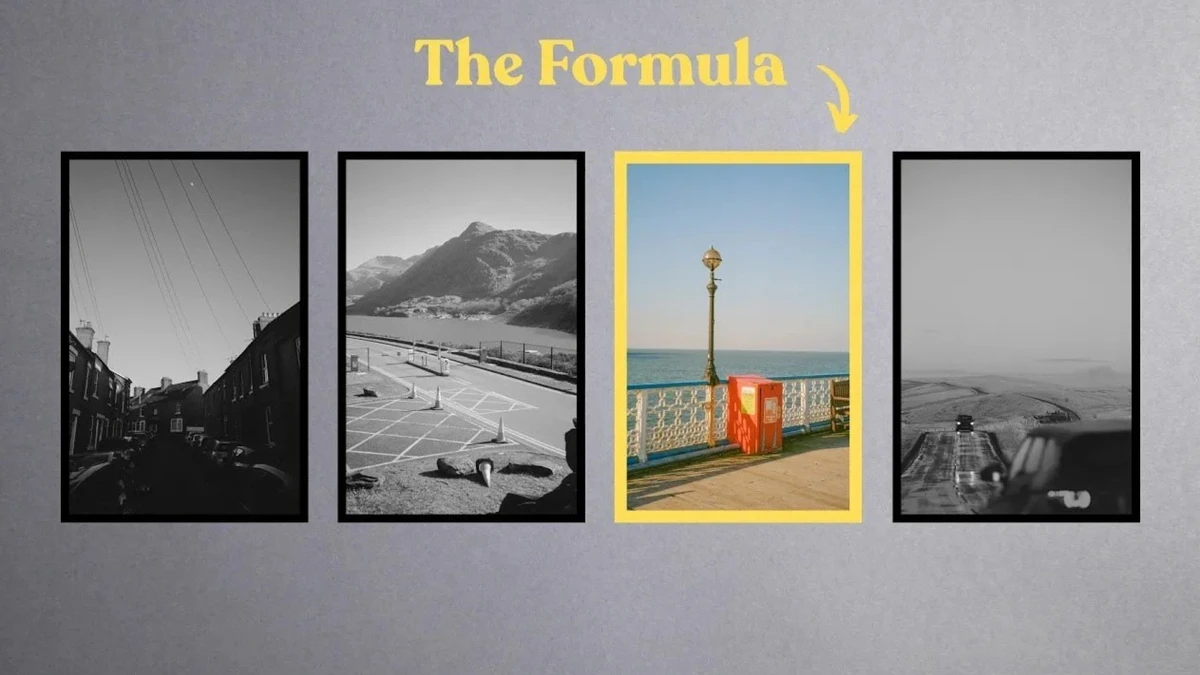
Kent’s method offers a practical exercise for photographers seeking to reinvigorate their practice. He suggests reviewing the images you consistently gravitate toward,both your own and those of others,and identifying three or four words that capture their shared essence. Recording these descriptors and bringing them to your next photographic session can transform routine shooting into intentional exploration. For instance, if your words are “quiet” and “texture,” a renowned landmark becomes an invitation to examine weathered stone surfaces up close or discover tranquil side streets nearby. This exercise succeeds when it prompts you to bypass the automatic shot you’d normally take without consideration.
Intention serves as another crucial differentiator between casual documentation and committed photography, according to Kent. By intention, he means preparing to photograph with purpose before leaving home, whether that involves exploring a cityscape, capturing street life, or focusing on whatever subject matter presents itself during a particular outing. This mindset heightens awareness and reveals compositional possibilities you might otherwise overlook. Kent connects intention to identity, arguing that your personality inevitably informs your frames: whether you’re nervous or confident, introverted or outgoing, these temperamental qualities guide which subjects you avoid and which you pursue, with your photographs ultimately recording these authentic choices.
He addresses concerns about subject saturation in photography,the worry that every possible topic has already been photographed countless times. Kent counters this by citing renowned street photographers who, despite working with familiar urban environments and snow-covered cityscapes, continue to produce images that feel fresh and evocative. His argument suggests that a subject’s photographability depends less on its novelty and more on how thoughtfully it’s framed by a photographer with a unique perspective. Kent’s complete exploration of these themes is available in the video above.